
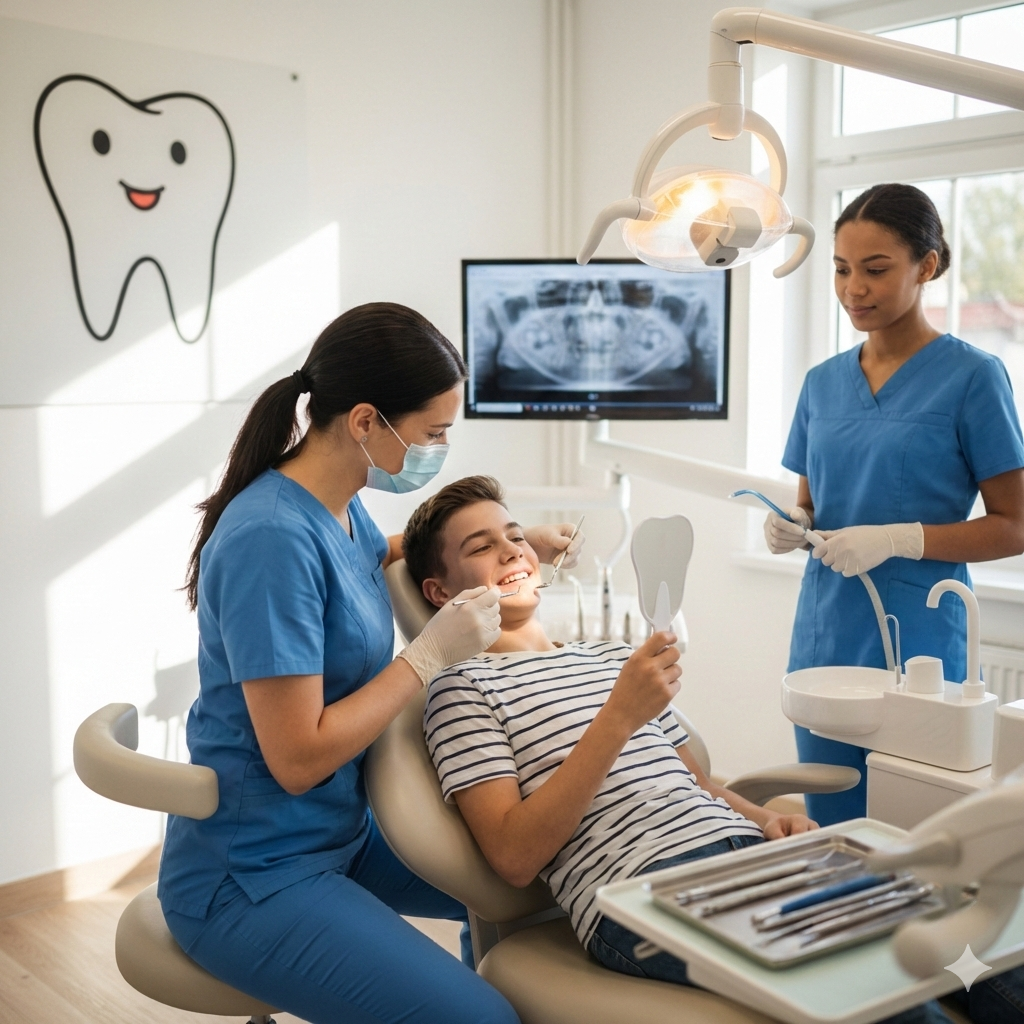
If someone in Ocala is looking to brighten their smile, they have several effective teeth whitening options available. These range from professional treatments done in a dental office to convenient at-home kits designed for regular use. The best choice depends on their lifestyle, budget, and how quickly they want results.
In-office whitening offers faster, more noticeable improvements with special gels and light treatments, while take-home kits provide a gentle, gradual approach that fits easily into daily routines. Over-the-counter products like whitening strips and toothpaste can help maintain brightness but usually don’t deliver dramatic changes.
Understanding these options helps people feel confident about choosing what’s right for them. Encouraging a conversation with a trusted Ocala dentist is a great next step to personalize the plan and ensure safe, comfortable care.
Understanding Teeth Whitening
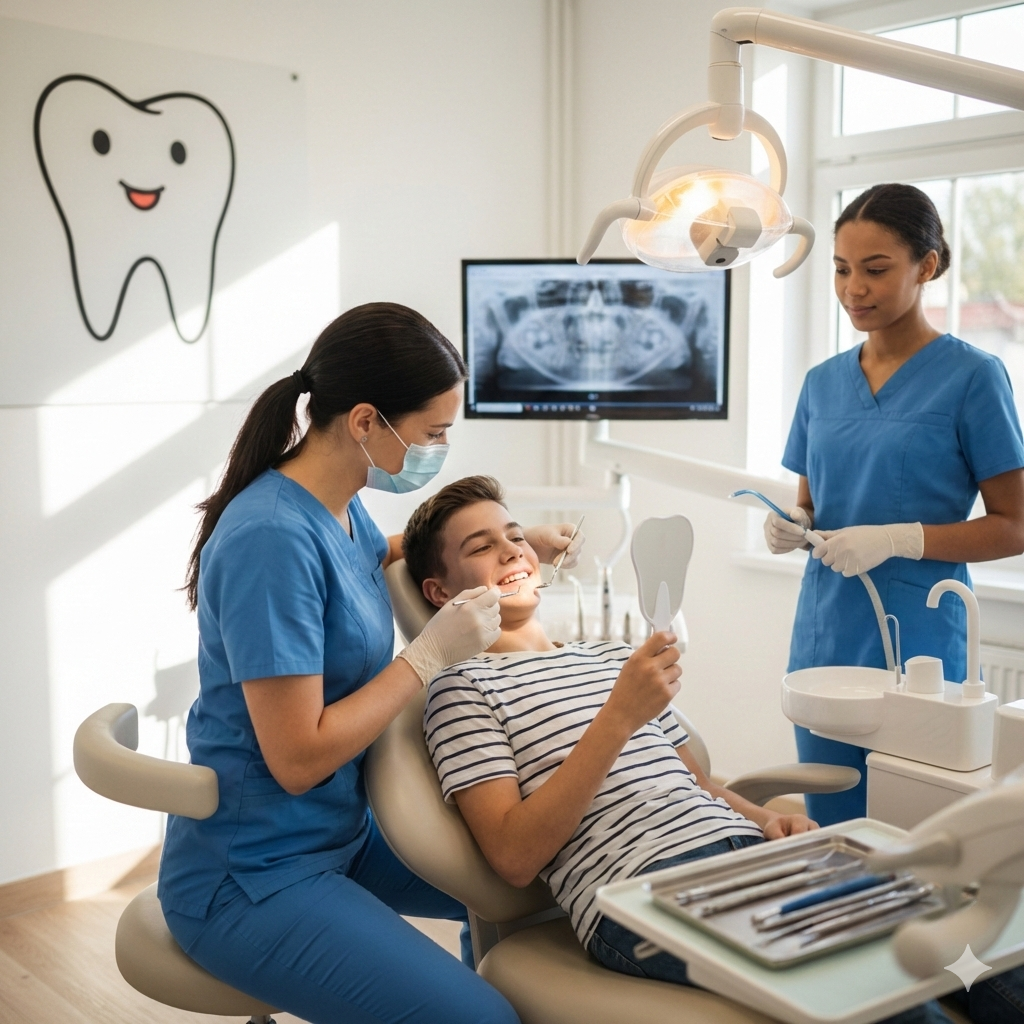
Teeth whitening helps restore brightness by addressing common causes of discoloration and offers clear benefits. Understanding how stains form, what to expect from treatments, and safety considerations can help patients choose the right option confidently.
How Teeth Stains Develop
Teeth stains usually fall into two groups: extrinsic and intrinsic. Extrinsic stains appear on the enamel surface from substances like coffee, tea, red wine, tobacco, and certain foods. These surface stains are often easier to remove with whitening.
Intrinsic stains occur deeper in the tooth, caused by aging, trauma, certain medications, or excessive fluoride. These stains tend to be more resistant to whitening and sometimes require professional treatment. Poor oral hygiene can worsen both types of stains, making regular dental care essential.
Benefits of Teeth Whitening
Whitening can significantly improve the appearance of teeth, leading to a brighter smile and increased confidence. It often makes individuals feel more comfortable in social and professional settings.
Besides aesthetics, some whitening treatments may encourage better oral care habits. Many options are affordable, accessible, and can be tailored to individual needs, ranging from in-office procedures to take-home kits.
Safety and Expectations
Professional whitening is generally safe when supervised by a dentist. Temporary sensitivity or gum irritation can occur but usually resolves quickly.
Expectations should be realistic: whitening results vary based on stain type, age, and treatment chosen. Not all discoloration can be fully removed. Consulting with a dental professional helps set appropriate goals and select the safest, most effective method.
Professional Teeth Whitening in Ocala
Professional teeth whitening in Ocala offers several effective options tailored to different needs and lifestyles. These treatments can brighten your smile safely and quickly while being supervised by dental experts who prioritize comfort and results.
In-Office Whitening Treatments
In-office whitening is a fast and powerful way to lighten teeth. It typically uses stronger bleaching agents than over-the-counter products, applied and activated by light or laser technology.
The procedure usually takes about 60 to 90 minutes, making it ideal for people wanting noticeable results from a single visit. Dentists also protect gums and soft tissues during treatment to minimize sensitivity. Immediate improvements are often visible, with teeth becoming several shades whiter.
Patients with sensitive teeth or specific dental concerns should share these with their dentist beforehand to tailor the treatment and reduce discomfort.
Custom Take-Home Whitening Kits
Custom take-home kits from Ocala dental offices provide a middle ground between professional in-office treatments and store-bought options. Dentists create precise trays molded to your teeth for even, controlled application of whitening gel.
These kits allow gradual whitening over one to two weeks, giving users flexibility and comfort at home. The gel used is prescription strength, ensuring better results than drugstore products.
Patients appreciate the convenience and ability to pause or repeat the treatment if needed. Dentists offer guidance on how often to use the trays to avoid overuse and sensitivity.
Choosing the Right Dental Expert
Selecting a dental professional for whitening in Ocala means considering experience, patient reviews, and personalized care. A good provider will assess your oral health before recommending whitening options, ensuring safety and effectiveness.
Look for a dentist who listens to your concerns about sensitivity or previous whitening experiences and offers tailored solutions. Transparent pricing and clear information about treatment duration and expected results are also important.
Visiting a trusted local practice allows for ongoing support and advice beyond whitening, which contributes to long-term dental health and smile confidence.
Over-the-Counter Whitening Solutions
Many people try over-the-counter options for teeth whitening because they offer convenience and affordability. These products vary in how they whiten teeth and how long results last. Understanding the main types can help decide which might fit individual needs best.
Popular Whitening Toothpastes
Whitening toothpastes work by using mild abrasives to remove surface stains caused by coffee, tea, or smoking. They don’t change the natural color of teeth but can make them appear brighter by polishing away discoloration.
Common ingredients include hydrated silica or calcium carbonate, which gently scrub off stains. Some toothpastes also contain low levels of peroxide compounds to enhance whitening, but these concentrations are usually too mild for dramatic results.
For daily use, whitening toothpastes are safe and help maintain clean teeth. However, they are best for people seeking gradual improvement rather than immediate whitening. Sensitivity risks are low, making them suitable for most users.
Whitening Strips and Gels
Whitening strips and gels typically contain carbamide peroxide or hydrogen peroxide as active bleaching agents. These products penetrate the enamel to break down deeper stains that a toothpaste cannot reach.
Users apply strips or gels directly to the teeth, usually once or twice a day for two weeks. Effects vary but can show noticeable whitening in less than a month. Some kits include trays to hold gels against teeth more evenly.
It’s important to follow the instructions carefully to avoid tooth sensitivity or gum irritation. Those with sensitive teeth should select formulas designed to minimize discomfort. While not as powerful as professional treatments, they offer a solid middle ground for brighter teeth at home.
Natural and Alternative Whitening Approaches
Many people turn to natural or homemade methods to brighten their smile without visiting a dentist. Some options offer mild benefits, but others can be ineffective or even harmful.
At-Home Remedies: What Works and What Doesn’t
Common home remedies include brushing with baking soda or using activated charcoal. Baking soda can gently remove surface stains due to its mild abrasiveness, but it should be used sparingly to avoid damaging enamel. Activated charcoal, while popular, lacks strong scientific support and may wear enamel if used improperly.
Oil pulling with coconut oil is another trendy method. It may reduce bacteria and freshen breath but has minimal impact on whitening. Natural fruits like strawberries contain malic acid, which can help remove minor stains, but the acidity can erode enamel if used too often.
It’s important to remember that most homemade treatments won’t change tooth color deeply stained by age or other factors.
Risks of DIY Whitening
DIY whitening can cause sensitivity, enamel erosion, or uneven whitening if not done carefully. Using acidic substances repeatedly, like lemon juice, overwhelms enamel and leads to lasting damage.
Overbrushing with abrasive powders can thin enamel, making teeth more prone to cavities and sensitivity. Without professional guidance, uneven color or blotchy results are common. Damage often goes unnoticed until discomfort or cosmetic issues become visible.
Consulting a dental professional before attempting any at-home method helps protect oral health while exploring safe whitening options.
Factors to Consider Before Whitening
Choosing the right teeth whitening option requires looking closely at your oral health and personal needs. Dental sensitivity and age can both affect how well whitening treatments work and how comfortable they feel.
Tooth Sensitivity and Safety
Tooth sensitivity is a common concern when whitening. Some people may experience sharp or mild discomfort during or after treatment, especially with stronger bleaching agents. Those with sensitive teeth might benefit from products designed for gentle use, such as low-peroxide gels or whitening toothpaste formulated to reduce sensitivity.
Safety is also key. Professional whitening performed under a dentist’s care ensures that gums and enamel are protected. Over-the-counter kits can sometimes irritate soft tissues or cause uneven results if used incorrectly. It’s important to follow product instructions carefully and consult with a dentist if sensitivity worsens or persists.
Whitening for Different Ages
Not all whitening methods suit every age group. For teens and young adults, teeth are still developing, so dentists generally recommend waiting until the late teens before starting whitening treatments. Younger patients are more prone to sensitivity and gum irritation.
Adults have a wider range of options, from in-office procedures to at-home gels. Older adults should be cautious if they have dental restorations like crowns or veneers, as whitening agents don’t change these materials’ colors. Dentists can tailor options to avoid unexpected results and protect dental work while brightening natural teeth.
Caring for Your Whitened Smile
Keeping a bright smile takes some care after teeth whitening. Simple, consistent habits can help maintain the results and protect your teeth from stains and sensitivity.
Maintaining Results Long-Term
To extend whitening effects, brushing twice daily with a toothpaste designed for sensitive teeth helps minimize irritation. Using a soft-bristled toothbrush avoids damaging enamel, which can make teeth more prone to staining.
Regular dental cleanings every six months remove surface stains and plaque buildup. Whitening usually fades over time, so occasional touch-ups—either with at-home kits approved by a dentist or professional treatments—can refresh your smile safely.
Avoid overusing whitening products to prevent enamel damage. If sensitivity occurs, reducing treatment frequency or switching products can improve comfort.
Diet and Daily Habits
Certain foods and drinks, like coffee, red wine, and dark berries, stain teeth quickly after whitening. Drinking through a straw reduces contact with teeth, cutting down staining chances.
Smoking is a major cause of discoloration. Quitting or reducing tobacco use helps maintain whitening results.
Rinsing your mouth with water after meals and snacks clears leftover acids and pigments. This simple habit supports a brighter smile.
Chewing sugar-free gum stimulates saliva, which naturally cleanses teeth and balances mouth pH. This helps protect enamel and keeps stains at bay.
Choosing the Best Teeth Whitening Option for You
Deciding on the right teeth whitening method depends on several factors. These include your budget, how quickly you want results, and the sensitivity of your teeth.
Professional whitening treatments at a dental office usually provide faster, more noticeable results. They are supervised by experts, which ensures safety and effectiveness. However, these treatments tend to cost more than at-home options.
Over-the-counter products, like whitening strips or gels, are more affordable and convenient. But they often require consistent use over a few weeks and may cause sensitivity in some people.
Here’s a quick comparison:
| Option | Cost Range | Speed of Results | Comfort Level |
|---|---|---|---|
| In-office Whitening | $$$ | Immediate | Monitored, less guesswork |
| Take-home Kits (from dentist) | $$ | 1-2 weeks | Custom fit, gentle |
| OTC Strips and Gels | $ | 2-4 weeks | May cause sensitivity |
People with dental restorations should consult a dentist first, as whitening agents may not work on crowns or veneers. Also, those with sensitive teeth should discuss options that minimize discomfort.
Encourage patients to book a consultation to find a plan tailored to their needs and lifestyle. A friendly dental professional can guide them through safe, effective choices that fit their goals.
Next Steps: Book a Whitening Consultation in Ocala
If someone is interested in brightening their smile, booking a whitening consultation in Ocala is a smart first step. During this visit, the dental professional will assess the teeth’s current shade and overall oral health.
They can explain the different whitening options available, from in-office treatments to take-home kits. The dentist will also discuss which method fits best with the patient’s lifestyle, sensitivity, and desired results.
Most offices provide a welcoming atmosphere where patients can ask questions and express any concerns. This personalized approach helps ensure the whitening process is comfortable and effective.
Here’s what typically happens at a consultation:
| Step | Description |
|---|---|
| Initial exam | Checking teeth and gums health |
| Shade assessment | Measuring current tooth color |
| Treatment options | Reviewing available whitening types |
| Customized advice | Addressing sensitivity and preferences |
Scheduling a consultation is easy and often takes about 30 minutes. Patients can gain peace of mind knowing they are choosing a safe and suitable whitening path. Encouraging a visit soon helps maintain healthy, vibrant smiles in Ocala’s friendly dental offices.
Frequently Asked Questions
Teeth whitening options vary widely, from in-office treatments to over-the-counter products. Understanding their effectiveness, safety, and maintenance can help patients choose the best approach for their smiles.
What are the most effective professional teeth whitening treatments available in a dental office?
In-office whitening typically uses stronger bleaching agents like hydrogen peroxide, applied under professional supervision. Treatments such as laser or LED light-assisted whitening can accelerate the process.
These methods often produce noticeable results in one session, making them ideal for those needing quick and reliable whitening.
Are over-the-counter teeth whitening products safe for everyone, and how do they compare to professional treatments?
Most over-the-counter products are safe when used as directed but may cause sensitivity or gum irritation in some people. They generally use lower concentrations of bleaching agents.
These products tend to provide slower, less dramatic results compared to professional treatments, making them suitable for mild staining or maintenance.
How long can I expect the results from a professional teeth whitening service to last?
Results usually last from six months to two years, depending on individual habits and oral care routines. Touch-up treatments at home or in the dental office can help maintain whiteness.
Regular dental cleanings also support longer-lasting effects by removing surface stains.
What lifestyle habits should I change to maintain the whiteness of my teeth after a whitening treatment?
Avoiding foods and drinks like coffee, tea, red wine, and tobacco can reduce staining. Drinking water after meals helps wash away pigments.
Using a whitening toothpaste and practicing good oral hygiene supports lasting brightness.
Can teeth whitening procedures remove stains caused by medications or medical conditions?
Whitening treatments are less effective on intrinsic stains caused by certain medications or health issues. These stains often require alternative cosmetic dentistry options, such as veneers or bonding.
A dental professional can evaluate the best solution based on the type of discoloration.
What steps should I take to prepare for a teeth whitening procedure to ensure the best results?
Patients should have a dental cleaning to remove plaque and tartar before whitening. Any cavities or gum issues should be treated first.
Following pre-treatment instructions from the dentist, like avoiding staining foods, helps achieve optimal whitening results.