
You’ll find clear, local options for restoring teeth in Ocala, FL, whether you need a simple filling, a crown, a bridge, an implant, or denture care. If you want a durable, comfortable smile, Ocala practices offer modern restorative choices tailored to your situation, budget, and comfort.
A friendly dental team will explain materials, treatment steps, timelines, and aftercare so you feel confident about each choice. Expect practical comparisons between fillings, crowns, implants, and removable options, plus guidance on scheduling and what to expect during appointments.
You’ll learn when to seek care for cracked, decayed, or missing teeth and how to protect your restored smile long-term with simple habits and follow-up visits.
Understanding Dental Restorations
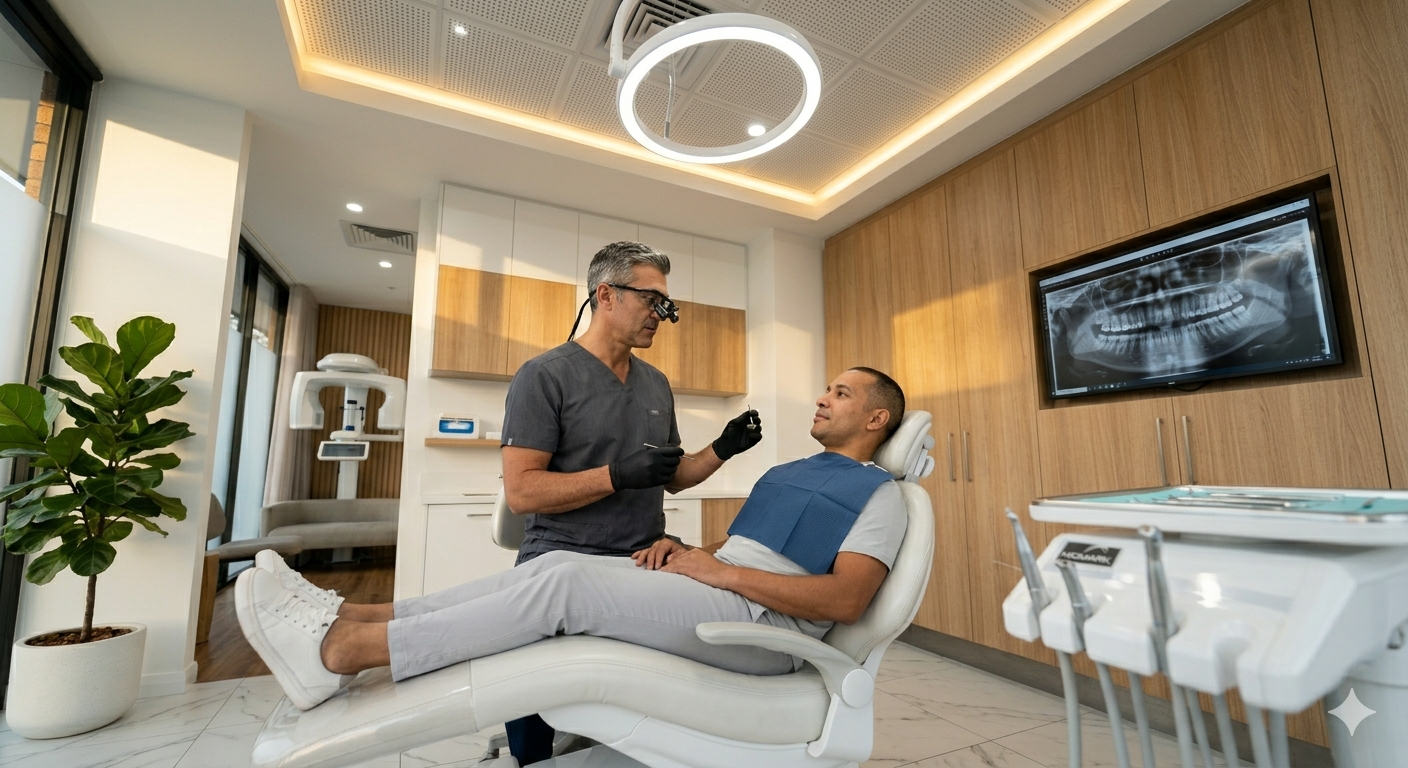
Dental restorations repair or replace damaged tooth structure, restore chewing function, and improve appearance. They range from simple fillings to full crowns and implants, chosen based on the extent of damage and the patient’s oral health.
What Are Dental Restorations?
Dental restorations are materials and procedures used to rebuild teeth affected by decay, fracture, wear, or congenital defects. Common types include:
- Direct restorations: composite (tooth-colored) fillings and amalgam fillings placed in one visit.
- Indirect restorations: crowns, onlays, inlays, veneers, fabricated in a lab and cemented later.
- Tooth replacement: bridges, dentures, and dental implants that replace one or more missing teeth.
Restorations aim to restore form, function, and aesthetics. They also protect the remaining tooth structure from further damage and infection. Material choice balances durability, appearance, and cost; for example, porcelain crowns look natural while gold offers superior strength for back teeth.
When Restoration Becomes Necessary
Restorative treatment is recommended when tooth structure is compromised enough to affect function or allow bacterial invasion. Typical triggers include:
- Visible cavities that weaken the tooth.
- Cracks or fractures causing pain or risk of breakage.
- Large fillings that no longer support the remaining tooth.
- Tooth loss creating gaps that alter bite and cause shifting.
Symptoms prompting evaluation include persistent sensitivity, pain when biting, dark spots, or a loose restoration. Dentists also recommend restoration preemptively when a tooth’s remaining structure is thin after decay removal to prevent catastrophic fracture. Patient factors—age, bruxism (teeth grinding), and oral hygiene—affect timing and choice of treatment.
How Tooth Damage Is Assessed
Assessment begins with a clinical exam and dental X-rays to reveal decay depth, root involvement, and bone support. The dentist inspects tooth color, shape, and mobility, and checks for cracks using tools or dyes. Bite evaluation identifies uneven forces that could have caused the damage.
Additional diagnostics may include:
- Bitewing and periapical X‑rays for decay and root issues.
- CBCT (3D imaging) for complex cases or implant planning.
- Pulp vitality tests to determine nerve health.
Findings guide treatment planning: a small, non‑deep cavity often gets a direct filling; extensive damage may need a root canal and crown; missing teeth typically lead to implant or bridge discussions. The dentist also factors in cosmetic goals and budget when recommending options.
Types of Restorative Materials
Different materials suit different needs: aesthetics, durability, cost, and how much natural tooth remains. Patients should weigh appearance, bite stress, and long-term maintenance when choosing a restoration.
Composite Resin Options
Composite resin combines glass or quartz filler with a tooth-colored resin to repair chips, small cavities, and front-tooth fractures. It bonds directly to enamel and dentin, allowing conservative preparations that preserve more natural tooth structure than many alternatives.
Composites come in various shades and translucencies for close color matching. Dentists layer and shape the material, then cure it with a focused light; this permits same-day repairs and immediate function.
Strength has improved, but composite wears faster than porcelain under heavy chewing forces. It’s a cost-effective, aesthetic choice for visible areas, but may need polishing or replacement every 5–10 years depending on bite, hygiene, and habits like clenching or coffee staining.
Porcelain Solutions
Porcelain (feldspathic, lithium disilicate, or zirconia-based ceramics) offers superior aesthetics and color stability for crowns, veneers, inlays, and onlays. Porcelain mimics natural enamel’s translucency and resists staining, making it the preferred option for front teeth and high-visibility restorations.
Laboratory or CAD/CAM-milled porcelain provides precise fits and long-term strength. Lithium disilicate (e.g., e.max) balances beauty and durability for single crowns and veneers, while zirconia gives higher fracture resistance for back teeth and implant restorations.
Porcelain requires more tooth reduction than composite and often involves two visits for lab-fabricated work unless same-day milling is available. Expect durability of 10–15+ years with proper care; occasional glaze wear or chipping may require repair or replacement.
Gold and Metal Alloys
Gold and metal alloys (gold, palladium, nickel-chromium) excel in strength and longevity for crowns, inlays, onlays, and posterior bridges. They tolerate heavy occlusal forces and require minimal removal of healthy tooth structure when used for partial restorations.
Gold alloys wear similar to natural enamel and produce gentle contacts with opposing teeth, reducing risk of fracture. They also exhibit excellent biocompatibility and corrosion resistance, which contributes to predictable, long-term performance.
Aesthetic trade-offs make metal restorations less popular for front teeth. Many patients choose metal for molars when function and lifespan matter most. Costs vary with precious-metal content; dentists can show comparative estimates and discuss mixed restorations (metal on back, porcelain on front) to balance strength and appearance.
Treatment Choices for Damaged Teeth
This section outlines practical, clinic-ready options for repairing chips, decay, fractures, and wear. It highlights what each treatment does, typical materials, procedural steps, recovery expectations, and when a dentist in Ocala, FL, is likely to recommend it.
Filling Procedures Explained
Fillings restore teeth after decay or small fractures by removing damaged tissue and replacing it with a durable material. Dentists commonly use composite resin (tooth-colored), amalgam (silver), or glass ionomer for certain root-surface repairs; composites have become the standard for visible areas because they match enamel and bond directly to the tooth.
The visit usually takes 20–60 minutes for a single surface. Local anesthetic controls discomfort, and the tooth is prepared by removing decay, shaping the cavity, then layering and curing the composite with a light. Composite fillings bond to enamel and dentin, which preserves more natural tooth structure than amalgam.
Patients should expect minor sensitivity for a few days, which typically resolves. Composites are strong but may need replacement after 7–15 years depending on bite forces, oral hygiene, and bruxism. Dentists recommend avoiding very hard foods and maintaining regular checkups to catch wear early.
Dental Crown Applications
Crowns cover and protect teeth with extensive damage, large previous fillings, or after root canal therapy. Materials include porcelain-fused-to-metal, all-ceramic (e.g., zirconia), and gold alloys; choice depends on strength needs, bite location, and cosmetic priorities.
Preparation takes 60–90 minutes and often requires two appointments if lab fabrication is used. The tooth is shaped to make room for the crown, impressions are taken or a digital scan is made, and a temporary crown protects the tooth until the final restoration is cemented. Same-day CAD/CAM milling can deliver a finished crown in one visit in many Ocala practices.
Crowns restore chewing function and prevent further fracture, but they require removing some healthy tooth structure. Longevity ranges from 10–20+ years with good care. Patients with grinding habits should discuss night guards to protect crowns and natural teeth.
Onlays and Inlays
Onlays and inlays sit between fillings and crowns in terms of tooth conservation and strength. An inlay fits within the cusps of a tooth, while an onlay extends over one or more cusps; both are ideal when damage is too large for a filling but the tooth still has substantial healthy structure.
These restorations are typically made from ceramic or gold. The process involves removing decay, taking impressions or scans, and bonding the custom piece to the prepared tooth. Compared with large composite fillings, onlays and inlays offer superior longevity, better marginal fit, and less polymerization shrinkage for ceramics.
Recovery is minimal, with most patients reporting normal function immediately after cementation. Durability often exceeds that of direct fillings, commonly lasting 10–20 years when patients maintain oral hygiene and avoid excessive biting forces.
Bonding Techniques
Dental bonding uses a tooth-colored resin to fix small chips, close minor gaps, or change a tooth’s shape in a single visit. It offers a conservative, affordable cosmetic option that preserves enamel and can be completed in 30–60 minutes per tooth.
The dentist roughens the tooth surface, applies an adhesive, sculpts the resin, and cures it with a light. Bonding blends well for front teeth and is useful for quick aesthetic improvements. It does not match the wear resistance of porcelain; stains and chips are more likely over time.
Bonding lasts 4–10 years depending on care, diet, and tooth position. Patients should avoid biting hard objects and use non-abrasive toothpaste to prolong results. Dentists will recommend bonding for cosmetic fixes or as an interim solution before more extensive restorations.
Restoring Missing Teeth
Restoring missing teeth improves chewing, speech, and facial support while preventing neighboring teeth from shifting. Options range from fixed bridges to implant restorations and removable dentures, each with trade-offs in cost, durability, and maintenance.
Dental Bridge Solutions
A dental bridge replaces one or more adjacent missing teeth by anchoring crowns to the natural teeth beside the gap, called abutments. Traditional bridges use crowns on the abutments with a pontic (false tooth) between them; porcelain-fused-to-metal or all-ceramic materials provide natural color and strength.
Candidates need healthy abutment teeth and sufficient enamel for crowns. The process usually requires two visits: tooth preparation and impressions, then placement of the permanent bridge. Bridges restore chewing function quickly and cost less up front than implants, but they require removing some healthy tooth structure and may need replacement every 8–15 years depending on oral hygiene and wear.
Important care steps include daily flossing beneath the pontic (use floss threaders or interdental brushes) and regular dental checkups. Patients with large gaps or multiple missing teeth may find bridges less appropriate than implant-based solutions.
Implant-Based Restorations
Dental implants replace missing tooth roots with titanium posts surgically placed into the jawbone, then topped with abutments and crowns, bridges, or dentures. Implants preserve bone by stimulating the jaw, provide the most stable long-term option, and closely mimic natural teeth in function and appearance.
The typical timeline spans 3–6 months: implant placement, osseointegration (bone healing around the implant), and final restoration. Single implants serve one tooth; implant-supported bridges or full-arch prostheses (All-on-4/All-on-6) treat multiple or complete tooth loss. Success depends on sufficient bone volume and good general health; bone grafting can augment deficient sites.
Patients should expect higher upfront costs but lower long-term maintenance and fewer replacements than traditional options. Routine brushing, flossing around the implant, and professional exams prevent peri-implantitis and prolong implant life.
Full and Partial Dentures
Partial dentures replace several missing teeth using a removable appliance that clips to remaining teeth with metal clasps or precision attachments. Full (complete) dentures replace all teeth in an arch and rest on the gums; immediate dentures can be placed right after extractions for convenience.
Dentures offer a lower-cost, non-surgical solution and can be fabricated quickly. Modern materials and careful fitting improve comfort and appearance, but denture wearers may notice changes in chewing efficiency and taste. Over time, jawbone resorption alters fit; relining or replacement every 5–8 years is common.
Care involves daily removal for cleaning, soaking overnight, and protecting against drops. Patients with denture discomfort should consult their dentist for adjustments, relines, or discussion of implant-retained denture options to increase stability.
Choosing the Right Restoration for Your Needs
This section explains the practical factors that influence restorative choices, the trade-offs between appearance and function, and how long different options typically last. It focuses on the most relevant details patients in Ocala should weigh when deciding on crowns, implants, bridges, or veneers.
Factors to Consider
Patients should start by assessing the tooth’s condition: extent of decay, remaining tooth structure, and presence of infection. For example, a tooth with extensive decay and little healthy structure may need a post-and-core with a crown, while a tooth with minor damage might suit an onlay or veneer.
Health and medical history matter. Diabetes, smoking, and osteoporosis affect healing and implant success; medication like bisphosphonates can change surgical risk. Budget and insurance coverage also guide choices; implants cost more up-front but may reduce future expenses compared with repeated bridge replacements.
Lifestyle and oral hygiene influence outcomes. Heavy grinders (bruxers) often need stronger materials like zirconia or a nightguard after restoration. Patient age and aesthetic priorities—front tooth vs. molar—help determine whether porcelain, composite, or metal-based restorations are appropriate.
Aesthetic vs. Functional Results
Aesthetic restorations prioritize natural color, shape, and translucency to match surrounding teeth. Veneers and all-ceramic crowns excel for visible front teeth, providing lifelike appearance with minimal metal. Porcelain-fused-to-metal (PFM) crowns offer a compromise: good aesthetics with added strength from a metal substructure.
Functional restorations emphasize chewing strength and longevity. Implants and full-coverage crowns restore bite force close to natural teeth; they suit molars that endure heavy loads. Bridges restore function across a gap but require altering adjacent teeth, which can be a drawback if those teeth are healthy.
Patients often balance both needs. For someone who smiles frequently at work, aesthetic priority may tilt toward all-ceramic options. For patients who eat tough foods or grind, dentists recommend stronger materials and protective measures to safeguard the restoration.
Longevity and Durability
Material choice strongly affects lifespan. Dental implants with ceramic crowns typically last 15–25 years or longer with good care. Porcelain-fused-to-metal crowns generally last 10–15 years; all-ceramic crowns and veneers often last 7–15 years depending on wear and maintenance.
Technique and oral hygiene matter as much as materials. Proper cementation, accurate bite adjustment, and routine flossing reduce risk of failure. Regular dental checkups in Ocala every 6 months help detect early problems like recurrent decay or loosening margins.
Patient behavior changes longevity. Quitting smoking, controlling diabetes, wearing nightguards for bruxism, and avoiding ice-chewing extend restoration life. Dentists advise discussing realistic timelines and maintenance plans to choose the option that fits the patient’s needs and lifestyle.
What to Expect During Your Appointment
Patients will receive a clear plan, an explanation of options with costs, and comfort measures tailored to their needs. The visit typically includes a focused exam, diagnostic imaging, treatment planning, and time to address questions about recovery and alternatives.
Typical Consultation Process
The appointment begins with intake and a review of medical history, medications, and any dental concerns. A dental hygienist or assistant will record vitals and take digital X-rays or a CBCT scan when implants or complex restorations are considered.
The dentist performs a focused oral exam, checks bite alignment, and evaluates tooth structure and gum health. For crowns or bridges, they assess existing restorations and opposing teeth; for implants, they evaluate bone volume and proximity to nerves and sinuses.
Treatment options are explained with specifics: materials (e.g., zirconia crowns vs. porcelain-fused-to-metal), estimated lifespan, and out-of-pocket costs. The practice will present an itemized estimate and financing or insurance coordination if applicable.
Patients get a written plan with timelines, follow-up appointments, and instructions to prepare for any procedures. The dentist invites questions and confirms consent before any treatment begins.
Comfort Measures and Patient Care
Clinics in Ocala typically offer multiple comfort options: local anesthesia for most procedures, nitrous oxide for mild-to-moderate anxiety, and oral sedatives for longer appointments. The team explains each option, including onset, duration, and post-visit effects.
Chairside amenities often include neck pillows, blankets, and noise-cancelling headphones. Staff monitor vital signs when sedation is used and provide clear post-op pain management plans—usually a combination of acetaminophen or ibuprofen and brief antibiotic coverage when indicated.
For patients with dental fear, the dentist may schedule shorter visits, apply topical anesthetic before injections, and use distraction techniques. Emergency contact information and same-day calls for concerning symptoms reinforce ongoing care.
Timeline for Treatment
Simple restorations like fillings or single crowns often complete in one or two visits across 1–3 weeks. A typical crown workflow: tooth preparation and impression (or digital scan) on day one, a temporary crown for 1–2 weeks, then final cementation at the second visit.
Implant treatment spans several months. After implant placement, bone integration (osseointegration) usually takes 3–6 months depending on bone quality and location. Abutment placement and final crown fabrication add 4–8 weeks once integration is confirmed.
Full-mouth restorations or multi-stage periodontal therapy require a customized schedule. The office provides a written timeline with milestone dates, what to expect at each visit, and pre-appointment instructions to optimize healing and results.
Caring for Your Restored Smile
Daily care, sensible eating choices, and timely checkups keep restorations lasting longer and feeling natural. Patients should follow a consistent oral hygiene routine, avoid foods that stress restorations, and attend scheduled follow-up visits for adjustments and professional maintenance.
Home Maintenance Tips
Brush twice daily with a soft-bristled toothbrush and non-abrasive fluoride toothpaste to protect veneers, crowns, and implants. Use gentle circular strokes at a 45-degree angle along the gum line; this removes plaque without abrading restoration margins.
Floss once a day using floss threaders or interdental brushes for bridges and implants to clean beneath contact points. For implant-supported restorations, a water flosser can help dislodge debris around the implant collar.
Avoid whitening products on restorations unless the dentist approves them; composites and porcelain do not bleach and can end up mismatched. If night grinding (bruxism) occurs, wear a custom night guard to prevent chips and wear on crowns and veneers.
Keep restorations dry for adhesive longevity immediately after procedures. Follow the dentist’s post-op instructions about eating, rinsing, and when to resume normal oral care.
Foods to Avoid
Avoid very hard foods such as ice, hard candies, and unpitted nuts that can fracture crowns, onlays, or veneers. Cut crunchy fruits and raw vegetables into bite-sized pieces rather than biting directly into them.
Limit sticky foods like caramel, taffy, and certain dried fruits that can dislodge temporary crowns or pull at adhesive margins. Sticky foods also trap sugars against restoration edges, increasing decay risk at remaining tooth structure.
Steer clear of staining beverages—coffee, red wine, and dark teas—especially in the first two weeks after placing composite restorations or veneers. Use a straw when possible and rinse with water after consuming staining drinks to reduce pigment contact.
Minimize acidic foods and sodas that erode enamel and can undermine bonding at restoration margins. If acidic exposure occurs, wait 30 minutes before brushing to avoid brushing softened enamel.
Follow-Up Visits
Schedule the first follow-up within one to two weeks after placement so the dentist can check fit, bite, and tissue response. Early adjustments prevent pressure points that cause pain or premature failure.
Attend routine cleanings every three to six months as recommended for the restoration type and individual risk. Professional maintenance clears plaque at restoration junctions and allows early detection of issues like decay or loosening.
Report any sensitivity, movement, clicking, or changes in bite immediately; small problems often need simple fixes. For implants, periodic radiographs monitor bone levels and ensure the implant remains stable.
Ask the dental team about a personalized maintenance plan, including recommended products, guard fabrication, and frequency of professional visits tailored to his or her restorations.
When to Contact a Dental Professional
If a patient experiences sudden, severe tooth pain or swelling, they should contact a dental professional right away. Acute symptoms can signal infection or injury that needs prompt treatment to prevent complications.
When a filling, crown, or bridge becomes loose or falls out, scheduling an appointment within a few days is important. Temporary measures can help, but a dentist must restore the tooth to protect it from further damage.
Persistent sensitivity to hot, cold, or sweet foods for more than two weeks warrants evaluation. Gradual sensitivity often indicates decay, a cracked tooth, or a failing restoration that a clinician can diagnose.
If chewing causes pain or a bite feels uneven, the restoration may need adjustment. This can prevent further wear, jaw discomfort, or damage to adjacent teeth.
For visible changes—discoloration, dark lines around restorations, or gum recession near a restored tooth—seek advice sooner rather than later. These signs can point to leakage, recurrent decay, or gum disease.
Patients with medical conditions (diabetes, heart disease) or those taking medications that affect healing should inform their dentist before complex restorations. Coordination with medical providers improves safety and outcomes.
For routine concerns—questions about options like implants, crowns, veneers, or denture care—calling to arrange a consultation helps the patient understand choices and costs. A brief exam and discussion can clarify next steps and set expectations.
Frequently Asked Questions
This section answers practical choices about tooth repairs, replacement options, comfort and sedation, lifespan of restorations, a simple preventive rule, and cost-saving strategies. It focuses on what patients in Ocala can expect when discussing crowns, fillings, implants, and payment options with their dental team.
How do I know whether I need a crown, a filling, or a dental inlay/onlay for my damaged tooth?
A filling repairs small to moderate cavities or chips that leave most of the tooth structure intact. Dentists choose composite (tooth‑colored) or amalgam fillings depending on location, cost, and aesthetic preference.
Inlays/onlays suit teeth with larger surface damage where a filling would be too weak but a full crown isn’t necessary. They are custom-made in a lab and bonded to the tooth for strength and a near-natural fit.
A crown covers a tooth when damage or decay weakens most of the structure, after root canal treatment, or to restore a fractured tooth. The dentist evaluates remaining tooth strength, bite forces, and esthetic needs before recommending a crown.
What are the pros and cons of dental implants versus bridges if I’m missing a tooth?
A single dental implant replaces the root and supports a crown, preserving adjacent teeth and bone. Implants offer long-term stability and a natural feel but require surgery, a healing period, and higher upfront cost.
A dental bridge fills the gap using crowns on neighboring teeth or implant abutments. Bridges typically cost less up front and require less healing time, but they may sacrifice healthy tooth structure and do not stop bone loss under the missing tooth.
Dentists consider bone volume, adjacent tooth health, budget, and timeline when advising between an implant and a bridge. Diagnostic X‑rays and a treatment plan clarify which option fits a patient’s mouth and goals.
If I’m nervous about dental work, what comfort or sedation options are available to help me relax?
Topical and local anesthesia numb the area and prevent pain for most procedures. Nitrous oxide (laughing gas) provides mild relaxation and wears off quickly after treatment.
Oral sedation with a prescribed pill produces moderate relaxation and may require a ride home. IV sedation or general anesthesia is available for complex cases or severe anxiety, with monitoring and recovery protocols in place.
Patients should discuss medical history, anxiety level, and preferences so the dental team can recommend the safest, most comfortable sedation option for the procedure.
How long do common restorations like crowns, bridges, veneers, and implants typically last with good care?
Porcelain or ceramic crowns commonly last 10–15 years and often longer with excellent oral hygiene and regular checkups. Metal‑ceramic crowns can last similarly and sometimes longer in high‑stress areas.
Bridges generally last 7–15 years depending on oral hygiene and the condition of supporting teeth. Veneers commonly last 8–15 years when patients avoid hard biting habits and maintain routine care.
Dental implants have a high success rate and can last 20 years or more when bone health, gum health, and daily oral care are maintained. Regular professional cleanings and avoiding tobacco improve longevity.
What does the 3-3-3 dental rule mean, and how can it help me prevent future tooth damage?
The 3-3-3 rule emphasizes three practical habits: brush three times a day, floss three times a week (or daily for best results), and see the dentist every three months if at high risk or every six months for routine care.
This rule helps control plaque, catch decay early, and spot wear or bite problems before they require major restoration. Patients with braces, gum disease, or frequent decay may need tailored variations of this schedule decided with their dentist.
How can I restore my smile on a budget, and what should I ask about financing or payment plans?
Ask the dental office about in‑house payment plans that split cost into interest‑free installments. Many practices accept major credit cards, CareCredit, or third‑party medical financing to spread payments over several months.
Consider phased treatment that prioritizes health over aesthetics, such as stabilizing decay first and addressing cosmetic work later. Request itemized treatment estimates, compare material options, and ask about reduced‑fee exams or preventive care packages to manage costs.