
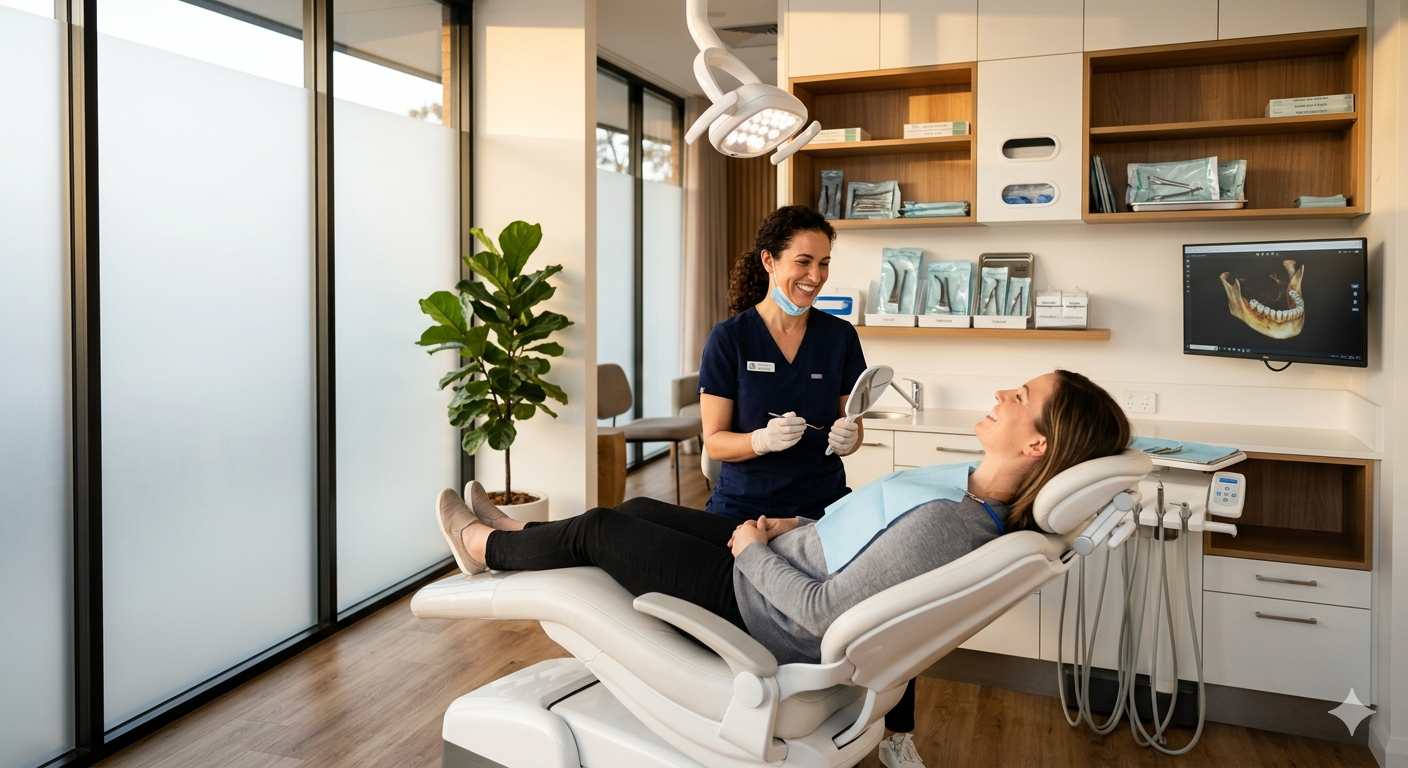
Dental implants in Ocala, FL, offer a reliable way to restore missing teeth with natural function and appearance. They provide a long-lasting solution that can improve chewing, speech, and overall confidence. Many patients find implants more comfortable and stable than dentures, making everyday activities easier.
Modern dental offices in Ocala use advanced technology to ensure the implant process is smooth and tailored to each patient’s needs. This approach helps reduce discomfort and healing time, giving patients peace of mind throughout their treatment.
If someone is considering dental implants, a local consultation can provide personalized advice and answers to their specific questions. Understanding the process and benefits helps people take the first step confidently toward a healthier smile.
Understanding Dental Implants
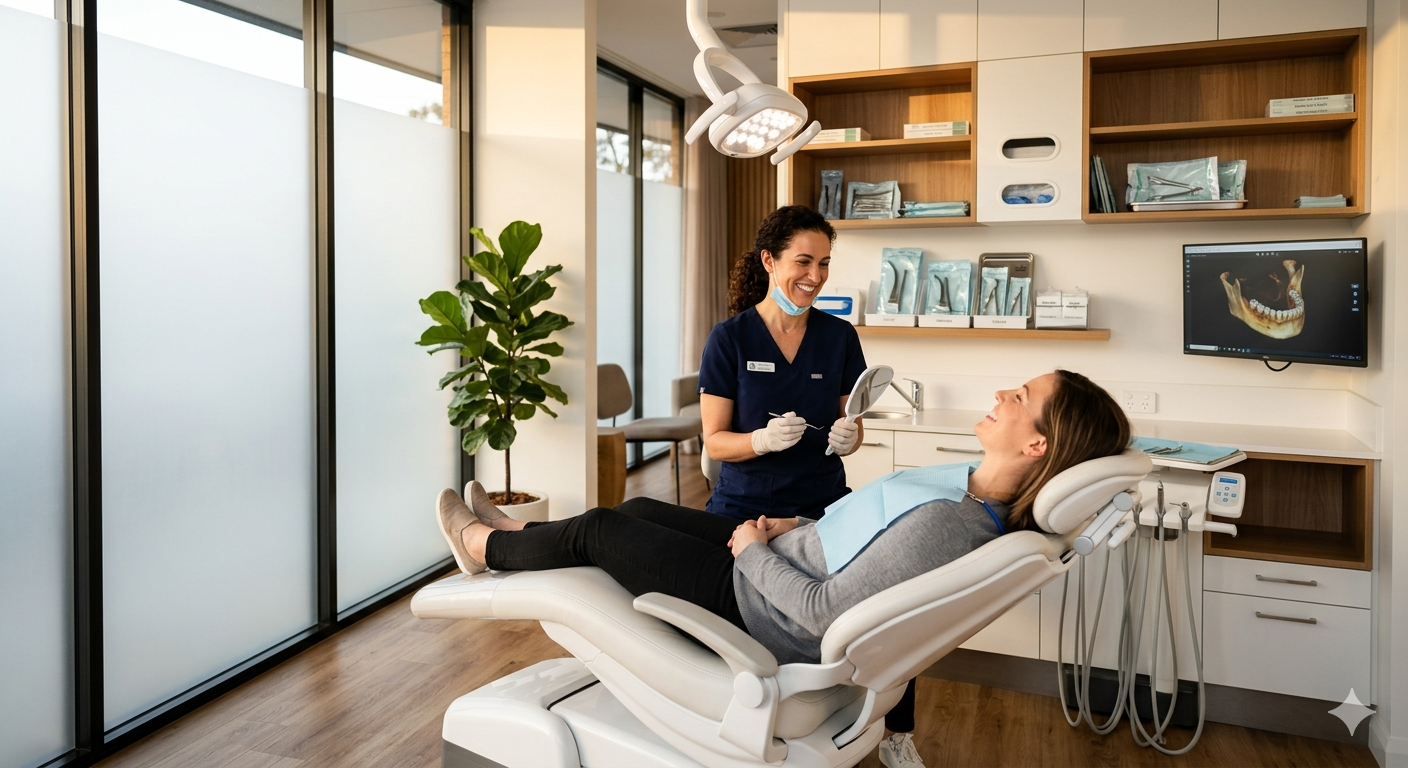
Dental implants provide a long-lasting solution for missing teeth by integrating with the jawbone. They restore both function and appearance, closely mimicking natural teeth. The process and benefits involve both advanced materials and thoughtful planning to ensure patient comfort and success.
What Are Dental Implants?
Dental implants are small titanium posts surgically placed into the jawbone. They act as artificial tooth roots to support crowns, bridges, or dentures. Titanium is chosen because it fuses well with bone through a process called osseointegration, creating a stable foundation.
An implant replaces the root, unlike dentures or bridges that only sit on the gums or adjacent teeth. This root replacement preserves bone health and prevents the sunken look often caused by missing teeth. Implants are custom-sized and shaped to match individual needs, making them adaptable for single or multiple tooth gaps.
How Dental Implants Work
The process starts with an evaluation to assess bone density and oral health. If adequate bone is present, the implant is surgically inserted into the jaw. Healing can take several months, allowing the implant to bond with bone securely.
Once fused, a connector piece called an abutment is attached. This supports the visible crown or prosthetic tooth. The final restoration is custom-made to blend with the patient’s smile in shape and color. Patients can eat, speak, and smile with confidence as implants function very much like natural teeth.
Key Benefits for Patients
Dental implants provide durability, often lasting decades with proper care. They do not require support from nearby teeth, preserving those natural structures. This independence reduces the risk of additional dental problems.
Implants also help maintain facial structure by stimulating the jawbone and preventing bone loss. Many patients find implants more comfortable and stable than removable dentures. Cleaning implants is similar to caring for regular teeth, which keeps oral hygiene simple and effective.
Ideal Candidates for Treatment
Not everyone is automatically a candidate for dental implants, but many people experiencing tooth loss or damage may find this option suitable. Factors like overall health, jawbone condition, and oral hygiene play crucial roles in determining eligibility.
Who Can Benefit Most
People missing one or more teeth who want a permanent replacement often benefit the most from dental implants. Those with healthy gums and sufficient jawbone density typically see the best results. Implants provide a stable, natural-feeling solution that can improve chewing and speech.
Patients who have struggled with loose dentures or bridges may also find implants a more comfortable and durable alternative. Younger adults and middle-aged individuals generally have a better chance of successful implantation because bone density is usually stronger. However, older adults can qualify too, provided their oral and general health is good.
Common Health Considerations
Certain medical conditions can affect candidacy for dental implants. Issues like uncontrolled diabetes, severe gum disease, or immune disorders can interfere with healing and integration of the implant. Patients should disclose their full medical history to their dentist.
Smoking is another factor that may limit success. It slows healing and raises the risk of implant failure. Dentists typically advise quitting before and after the procedure to improve outcomes. Regular dental visits and good oral hygiene are essential to maintaining implant health over the long term.
Step-by-Step Treatment Process
Dental implant treatment in Ocala, FL involves careful planning, preparation, and follow-up to ensure a lasting and comfortable result. Patients move through distinct phases that include an initial assessment, a surgical procedure, and a recovery period with specific milestones.
Initial Consultation
During the initial consultation, the dentist performs a thorough oral exam and reviews the patient’s medical history. This includes X-rays or 3D scans to assess bone density and the structure of the jaw, which are critical for implant success.
The dentist discusses treatment options, timelines, and costs, answering any questions about the implant procedure. They also evaluate whether additional treatments like bone grafting are needed before surgery.
This is the time for patients to express concerns and understand what to expect, helping them feel confident and prepared.
Preparing for the Procedure
Before the implant surgery, patients may need to complete preparatory steps such as dental cleanings or addressing gum disease to ensure a healthy mouth.
If bone grafting is necessary, it is done weeks or months before the implant placement to strengthen the jawbone. Patients receive clear instructions on fasting, medications, and hygiene for the day of surgery.
Proper preparation reduces risks and supports healing, making the procedure smoother and more comfortable.
Healing and Recovery Milestones
After implant placement, the patient enters a healing phase called osseointegration, where the implant fuses with the jawbone. This process usually takes 3 to 6 months.
During recovery, patients manage swelling and discomfort with prescribed care and avoid hard foods. Follow-up visits monitor healing progress and ensure the implant is stable.
Once healed, the permanent crown is attached, restoring function and appearance. Regular check-ups help maintain the implant’s health long-term.
Comparing Tooth Replacement Options
Choosing the right tooth replacement involves weighing durability, comfort, and maintenance needs. The options differ mainly in how they feel, how they are fixed in the mouth, and their impact on surrounding teeth and bone.
Dental Implants vs. Dentures
Dental implants are titanium posts surgically placed into the jawbone, acting like natural tooth roots. They provide strong support and prevent bone loss over time. Implants look and function like real teeth, allowing for normal eating and speaking.
Dentures, by contrast, are removable appliances that rest on the gums. They are less expensive upfront but can feel bulky and may slip when eating or talking. Dentures do not stop bone loss, which can change the shape of the face over time. They require daily cleaning and occasional adjustments.
For someone seeking a long-term, stable solution that preserves oral health, implants are typically more beneficial.
Dental Implants vs. Bridges
Bridges are fixed prosthetics anchored to adjacent teeth by crowns. They restore function and appearance but rely on nearby healthy teeth for support. This can require reshaping those teeth, which may weaken them over time.
Implants replace the entire tooth root and crown independently, preserving nearby teeth. Because implants integrate directly with the bone, they help maintain jaw strength and avoid shifting of other teeth.
Bridges generally cost less initially and require less surgery, while implants involve a lengthier healing process but offer greater durability and bone health benefits in the long run.
Personalized Care in Ocala
Patients in Ocala benefit from a dental practice that blends advanced technology with genuine attention to individual needs. The focus remains on using up-to-date methods, ensuring comfort throughout the process, and providing extra support for those with dental anxiety.
Modern Techniques Used Locally
Dental offices in Ocala use cutting-edge technology like 3D imaging and guided implant surgery. These tools help create precise treatment plans that fit each patient’s unique jaw structure. The result is more accurate implant placement and a faster healing time.
Local dentists also utilize digital impressions instead of traditional molds. This method is quicker and more comfortable, reducing discomfort during the initial appointment. It also ensures crowns and implants match perfectly, leading to better long-term results.
Comfort-First Approach
Ocala’s implant specialists prioritize patient comfort at every step. Soft tissue lasers may be used to reduce bleeding and swelling during surgery, which helps patients recover faster and with less pain. Sedation options, from mild nitrous oxide to IV sedation, are offered to keep patients relaxed.
Staff often take extra time to explain the process clearly, so patients know what to expect. Comfort measures include using gentle instruments and offering post-op care instructions tailored to individual needs. Follow-up visits focus on reducing any discomfort and ensuring successful healing.
Supporting Nervous Patients
Many dental offices in Ocala understand that fear of dental procedures is common. They create a calm environment designed to ease anxiety. Techniques include calming music, warm blankets, and private treatment rooms.
For patients with severe dental fear, providers might schedule longer visits for a more relaxed pace and frequent breaks. Communication is key—dentists encourage questions and use calming language to build trust. This supportive atmosphere helps nervous patients feel safe during implant treatment.
Long-Term Care and Maintenance
Caring for dental implants is essential to keep them healthy and functioning well over time. Attention to hygiene and regular visits to the dentist help avoid common complications and preserve the investment in your smile.
Daily Care Tips
Daily care for dental implants is similar to natural teeth but requires a bit more consistency. Brushing twice a day with a soft-bristled toothbrush helps remove plaque that can build up around the implant. Using a low-abrasive toothpaste prevents scratching the implant surface.
Flossing once daily is crucial to clean the spaces between the implant and surrounding teeth. Specialized interdental brushes or water flossers can be easier for reaching tight areas. Avoid hard foods or habits like nail-biting and chewing ice, which can stress the implant.
Maintaining a balanced diet also supports oral health. Staying hydrated and limiting sugary snacks reduce bacteria growth. These daily steps protect the implant from infection and gum disease.
Regular Checkups for Lasting Results
Routine dental visits allow professionals to monitor the implant’s condition closely. Dentists typically recommend appointments every six months, but some patients may need more frequent checkups depending on their oral health.
During these visits, the dentist examines the implant stability, checks for any signs of inflammation or bone loss, and performs professional cleaning. X-rays may be taken to assess the bone around the implant.
Early detection of problems means simpler treatments and better outcomes. Consistent professional care combined with good home hygiene extends the life of the dental implant, keeping the mouth healthy and comfortable.
Expected Outcomes and Success Rates
Dental implants in Ocala, FL, have a strong track record for success. Most patients experience a durable and natural-feeling tooth replacement that lasts many years.
The average success rate for implants is around 95%. This means that 95 out of 100 implants heal well and function properly without major issues. Factors like good oral hygiene and overall health contribute to these positive results.
Healing time varies but usually takes a few months. During this period, the implant fuses with the jawbone, creating a stable foundation. Once healed, implants feel and work like natural teeth.
Some common benefits include:
- Improved chewing and speaking
- Prevention of bone loss
- Enhanced appearance and confidence
Possible complications are rare but can include infection or implant failure. Regular dental visits and following aftercare instructions help reduce these risks.
Patients with conditions like diabetes or smokers may face slightly lower success rates but many still achieve excellent outcomes with proper care.
If anyone is considering dental implants, discussing expectations and any health concerns with a local Ocala dental specialist can guide the best plan. A personal consultation is the next step toward a confident smile.
Next Steps Toward a Healthy Smile
After deciding on dental implants in Ocala, the next step is scheduling a consultation. During this visit, the dentist will review medical history, examine oral health, and discuss personal goals. This helps create a tailored treatment plan that fits each patient’s needs.
Patients may undergo imaging, such as X-rays or 3D scans, to assess jawbone health. Strong bone is essential for implant success. If needed, procedures like bone grafting might be recommended to ensure a secure foundation.
Once the plan is set, the implant surgery is usually planned for a convenient time. Recovery times vary but typically involve minimal discomfort. Follow-up visits are important to monitor healing and fit.
Maintaining a healthy smile with dental implants involves:
- Good oral hygiene: Brushing twice a day and flossing.
- Regular dental checkups: Every six months or as advised.
- Healthy eating habits: Avoiding hard, sticky foods initially.
Patients are encouraged to ask questions and express any concerns. A friendly dental team can provide support every step of the way, making the process smooth and comfortable.
Taking these steps helps ensure not only successful implants but a confident, lasting smile.
Frequently Asked Questions
Dental implants in Ocala, FL, offer reliable tooth replacement, but patients often have practical questions about candidacy, costs, and treatment details. Addressing concerns about comfort, timing, and how implants compare with other options helps patients feel confident moving forward.
Am I a good candidate for dental implants if I have gum disease or bone loss?
Patients with gum disease or bone loss may still qualify for implants, but these issues need treatment first. Gum disease often requires professional cleaning and healing before implant placement.
Bone grafting can restore enough bone to support implants if loss is significant. A thorough evaluation by a dental specialist will determine the best plan.
How much do dental implants typically cost, and what options can make them more affordable?
Dental implant costs vary but typically range from $3,000 to $5,000 or more per implant. Factors include surgical fees, implant type, and restoration materials.
Many dental offices in Ocala offer payment plans, financing, or work with insurance to ease affordability. Discussing options upfront helps patients plan financially.
What’s the difference between an implant, a dental bridge, and a removable denture?
A dental implant replaces a tooth root with a titanium post fixed in the jawbone. It supports a crown, offering a stable, permanent option.
A dental bridge uses adjacent healthy teeth as anchors to hold a false tooth in place. It does not involve surgery or implant placement.
Removable dentures are prosthetic teeth that can be taken out daily. They are less stable than implants or bridges but usually cost less initially.
How long does the dental implant process take from start to finish, and how many visits should I expect?
The entire implant process usually takes 3 to 6 months, allowing time for healing and integration of the implant with the bone.
Patients can expect multiple visits: initial consultation, implant placement, healing check-ups, and final crown attachment. Each phase ensures success and comfort.
Do dental implants hurt, and what can I do to stay comfortable during and after treatment?
Local anesthesia or sedation used during implant surgery minimizes pain. Most patients report mild discomfort afterward, similar to common dental procedures.
Using ice packs, over-the-counter pain relievers, and following post-op instructions helps keep discomfort low. The dental team will guide patients on managing recovery.
Can dental implants help improve my bite or stop my dentures from slipping?
Yes, implants anchor teeth firmly in place, improving bite strength and stability.
For denture wearers, implant-supported dentures prevent slipping and soreness, allowing better chewing and clearer speech. This can boost confidence during daily activities.